By identifying the main sources of pollutants, it is possible to isolate them or reduce their effects on our health. Particular attention should be paid to the various sources of nitrogen oxides (NOx), to which people are mainly exposed outdoors, and to the other VOCs that affect our indoor air quality. The most practical way to reduce dangerous VOC emissions and other harmful emissions, such as carbon monoxide, is to use a smart indoor air quality monitor.
What is the difference between them?
Nitrogen oxides are gases produced by chemical reactions between nitrogen and oxygen. They are dangerous to our health, particularly in the form of nitrogen dioxide and nitric oxide, and can react with other atmospheric substances to create acid rain. Nitrogen oxide emissions can also contribute to ozone smog and particle pollution, but it is important to understand the difference between the two.
The other volatile organic compounds are a wide variety of gases emitted by liquids or solids. They are also dangerous to our health, and their concentrations can be up to 10 times higher indoors. Measuring volatile organic compound emissions in the air is vital to ensuring our environmental protection, both indoors and outdoors.
Where do they come from?
Sources of nitrogen oxides
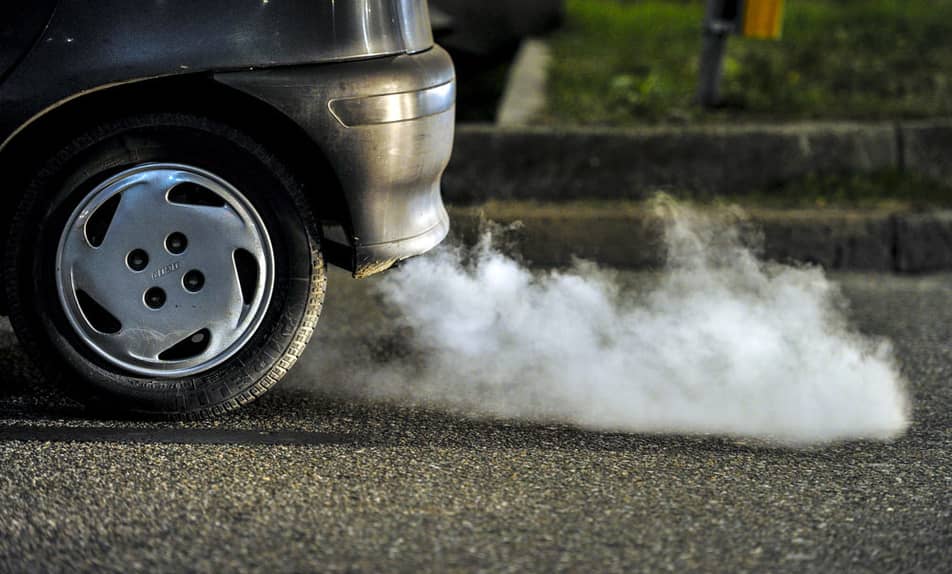
At high temperatures, oxygen and nitrogen combine to form a compound. This most often occurs during the combustion of oil or coal, but more commonly in urban areas, nitrogen oxides are released by the combustion in cars and other road vehicles.
Sources of VOCs
Although many VOCs have natural sources, our protection is mostly put at risk by indoor products that use harmful chemicals in their manufacturing process. According to the EPA, the following household products emit VOCs:
- Paints, paint strippers and other solvents
- Wood preservatives
- Aerosol sprays
- Cleansers and disinfectants
- Moth repellents and air fresheners
- Stored fuels and automotive products
- Hobby supplies
- Dry-cleaned clothing
- Pesticides
When products such as wooden furniture release harmful concentrations of VOC emissions over time, this process is often called off-gassing. Some of these new products can give off a strong smell during off-gassing, often called the "new furniture smell." However, not all products do, and the absence of a smell does not mean there is no danger. It is also important to note that carbon dioxide, although considered harmful, is not actually classified as a VOC.
Practical ways to reduce their effects
There are several ways to reduce or eliminate the effects of these pollutants in your home and/or workplace.
- With a home air quality monitor, homeowners can be alerted to high levels of nitrogen oxides or other dangerous atmospheric chemicals, such as ozone, and take precautions to reduce them.
- Before buying new products or furniture, review the US EPA's list of pollutants to find out which chemicals can have a negative effect on your environmental health.
- To better understand when VOC emissions become dangerous indoors and outdoors, it is useful to know the units used to measure volatile organic compounds as well as the concentration thresholds that should not be exceeded.
Pollution, both indoor and outdoor, can be extremely dangerous, and emissions must be monitored. To keep people's health safe, it is important to locate where dangerous chemicals are emitted and to reduce their impact as much as possible.
Sources and references
- [1]Derham R. L. et al., "On the Relation Between the Indoor and Outdoor Concentrations of Nitrogen Oxides", Journal of the Air Pollution Control Association, 1974
- [2]American Lung Association, "Ozone"
- [3]American Lung Association, "Particle Pollution"
- [4]US EPA, "Volatile Organic Compounds’ Impact on Indoor Air Quality"
- [5]Chemistry LibreTexts, "Sources of Nitrogen Oxides"
- [6]Practical Nontoxic Living, "Why Does New Furniture Smell?"
- [7]US EPA, "Technical Overview of Volatile Organic Compounds"